Creating Change: How Environmental Art Sparks Climate Awareness and Action
Art has long been a catalyst for change, a medium through which the whispers of the world can be transformed into resonant roars. In the era of the climate crisis, this role becomes even more pivotal. Environmental art transcends traditional boundaries, weaving together creativity and activism. It invites us not just to observe our surroundings but to engage with them, prompting conversations about climate awareness that many of us desperately need. How can art serve as a bridge to eco-consciousness in a world seemingly engulfed by environmental challenges?
Picture this: a stunning sculpture formed entirely from ocean plastic, standing tall against the backdrop of a serene seaside. Its mere presence beckons viewers to confront the stark reality of pollution and its implications on our planet. This is the magic of environmental art; it uses poignant imagery to drive home complex themes like climate justice and nature conservation. Words alone may fall flat, but art can ignite a passion that leads to climate change activism. How can we harness this creativity to inspire green initiatives and inspire others to join the fight for our planet?
Creating sustainable art is more than just a trend; it embodies a commitment to ecological art that champions the causes of planetary sustainability and climate solutions. By using recycled materials and eco-friendly practices, artists make powerful statements about the importance of conserving nature for future generations. Each piece serves as a reminder that every action—no matter how small—can induce a ripple effect for greater change. Are we as a society doing enough to support those artists who are weaving sustainability into their narratives?
The power of storytelling cannot be underestimated when it comes to art and climate. As we immerse ourselves in these narratives, we start developing a relationship with the work in front of us. We learn how individuals, communities, and even the whole world can pivot towards more sustainable practices. Every brushstroke can convey a call for action, urging us not merely to appreciate beauty but to act on it. What if we viewed every art installation as an urgent message from the Earth, asking for our help?
Ultimately, environmental art is not just about aesthetics; it is about transformation. It invites us to rethink our lifestyles and question our impact on the world. As advocates for climate awareness, we must understand that the art we create or appreciate can play a definitive role in shaping public perception and conscious actions toward our environment. How can we leverage these artistic platforms to champion the cause of climate advocacy and ensure that our planet thrives for generations to come? The answer lies in our collective consciousness, and perhaps, it starts with a single piece of art.
From Canvas to Action: How Eco-Conscious Art Promotes Climate Advocacy
In a world where the climate crisis looms ever larger, art emerges as a powerful ally in the fight for climate awareness. Picture this: vibrant murals depicting ecosystems rich in biodiversity, interactive installations that highlight the stark contrast between nature's beauty and the impacts of pollution, and sculptures made from recycled materials that challenge our views on waste. This is the realm of environmental art—an innovative bridge between creativity and activism, striving to engender eco-consciousness and spur action toward sustainable practices. But how exactly does art translate into tangible actions for planet Earth?
At its core, environmental art serves as a catalyst for dialogue. Think about it—when was the last time a painting moved you to change your ways? Jordan Weber's stunning works, for instance, showcase the interplay of urban living and ecological balance. As he puts it, 'Art can communicate what science sometimes struggles to convey,' painting vivid pictures that highlight global climate challenges. These masterpieces not only captivate the eyes but also provoke the heart, inviting viewers to participate in climate advocacy and embrace green initiatives like never before.
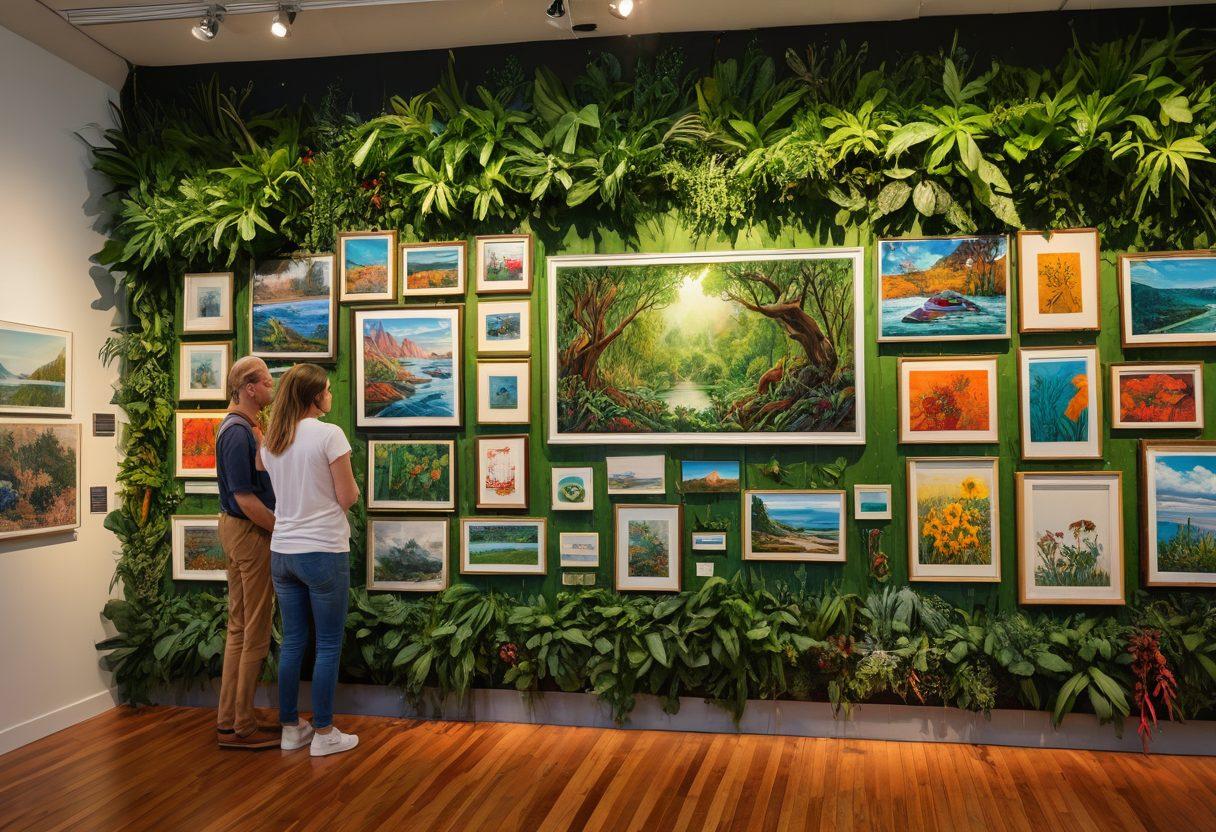
Consider the story of a community that decided enough was enough. After witnessing the devastating effects of climate change firsthand, local artists banded together to create an exhibition entitled 'Nature’s Cry.' This series portrayed the loss of forests, the plight of endangered species, and the urgency of the climate crisis, captivating audiences and igniting conversations. By weaving narratives of nature conservation through art, they not only raised awareness but also inspired the audience to actively participate in ecological restoration efforts. Isn't this a perfect example of how storytelling through art can invigorate a community towards action?
Moreover, eco-conscious artists are redefining what it means to create. They adopt sustainable art practices that emphasize recycling, upcycling, and utilizing non-toxic materials. Artists like Olafur Eliasson, who famously created the 'Weather Project,' bring attention to climate solutions and challenge us to rethink our interactions with the environment. “We’re in a climate crisis, and art must engage with this reality,” Eliasson states, exemplifying how art for the environment can galvanize a movement. It’s about connecting art and climate passionately and authentically to inspire action, serving as a reminder that artistic endeavors can play a significant role in climate change activism.
Ultimately, the intersection of art and the environment opens new avenues for ecological engagement. When we embrace environmental awareness through artistic expression, we unlock potential for planetary sustainability. We must reflect: how often do we walk by a piece of art and pause to consider its implications? The next time you encounter a work of nature conservation art, take a moment to absorb not just its beauty but what it conveys. Beyond aesthetics, these pieces are potent provocations urging us to confront the ecological challenges we face today and unite in our quest for climate justice. Art is not merely a backdrop to life; it’s a powerful force that can inspire public sentiment and foster significant societal shifts towards a sustainable future.
Art as Activism: Harnessing Creative Expression for Sustainable Change
In a world grappling with the relentless grip of the climate crisis, art emerges as a powerful catalyst for change. It is not just paint on a canvas or a sculpture in a park; environmental art has the unique ability to evoke emotions, provoke thoughts, and inspire actions. This form of creative expression serves as both a mirror and a guide—mirroring the stakes of our ecological challenges and guiding us toward sustainable practices. As the renowned artist and climate advocate Olafur Eliasson puts it, "When we look at ourselves in the mirror, we should see our responsibility." Are we ready to become that reflection?
Art as activism has long played a crucial role in societal change, from protest songs to powerful murals. In recent years, the arts have stepped up their game, tackling issues from human rights to climate justice. In this age of social media and instant information, environmental art specifically opens up dialogues about climate awareness and eco-consciousness. It challenges spectators to engage with global climate narratives actively rather than just consume them passively. So, let's explore how artistic expression intertwines with climate solutions and advocates for the preservation of our planet.
Think about your favorite piece of art. Perhaps it transports you to a serene forest or a vibrant coral reef, both vital ecosystems under threat from climate change. This intricate web of art and nature conservation is a call to action. For instance, the works of environmental artist Chris Jordan illuminate the devastating effects of consumption on our planet. His thought-provoking images compel viewers to confront the realities of waste and excess. In the process, they rekindle a sense of responsibility, nudging us towards greener initiatives. How could you harness your creativity to advocate for the environment?
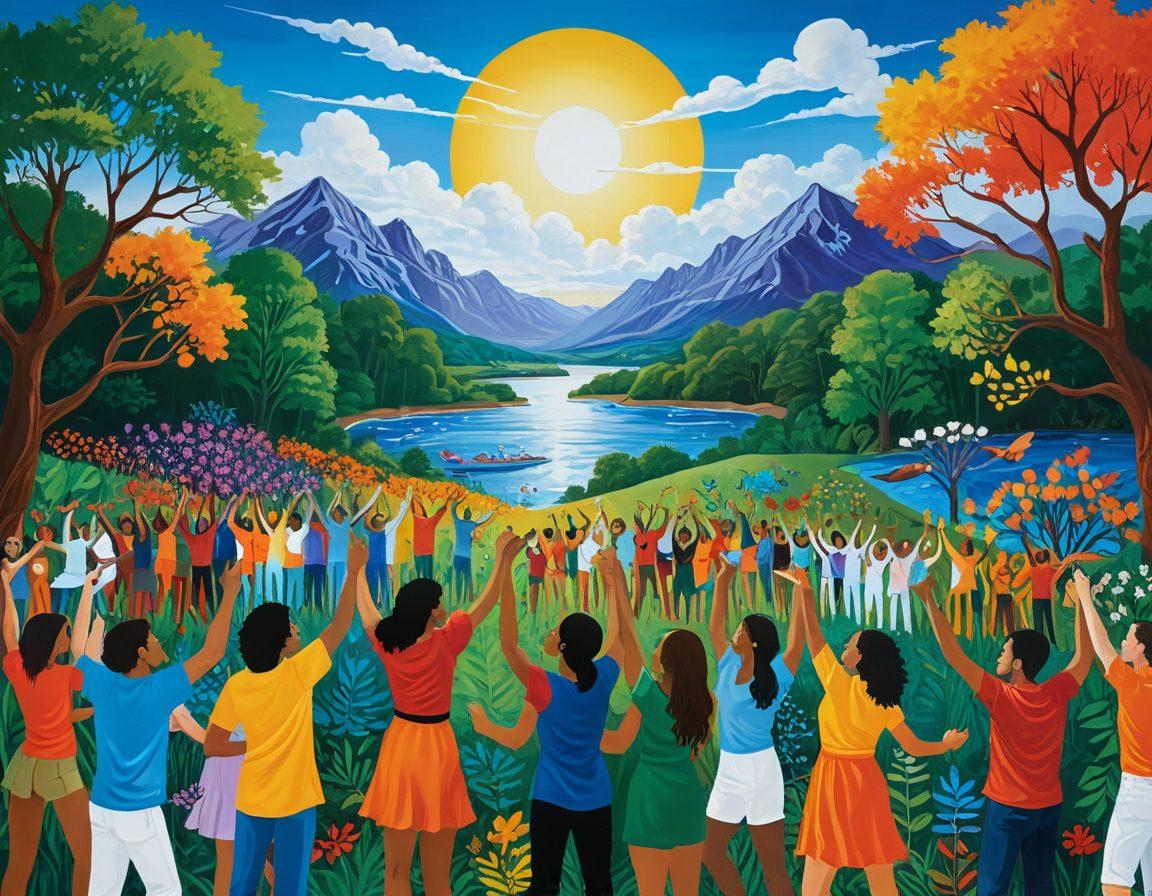
The impact of sustainable art goes beyond mere visuals; it cultivates a sense of community. Artists often collaborate with local organizations, schools, and activists to foster an ecological ethos. This collaboration is at the heart of many grassroots movements where art serves as a unifying force. Consider the murals created as part of campaigns for climate awareness. These vibrant expressions of hope breathe life into public spaces, reminding those who pass by of our shared responsibility. As artists become community storytellers, they empower everyone to become climate change activists in their own right.
With every brushstroke or photograph, artists position themselves as crucial players in the battle for planetary sustainability. Earth Day events often showcase eco-art exhibits that spotlight artists dedicated to environmental awareness. By sharing their visions and dreams for a greener future, they galvanize action and dialogue against environmental challenges. Ultimately, the intersection of art and climate creates a vibrant tapestry of ideas and initiatives. So, what role will you play in this story? Will you adopt sustainable practices in your art, or will you share your favorite nature conservation art to inspire others?